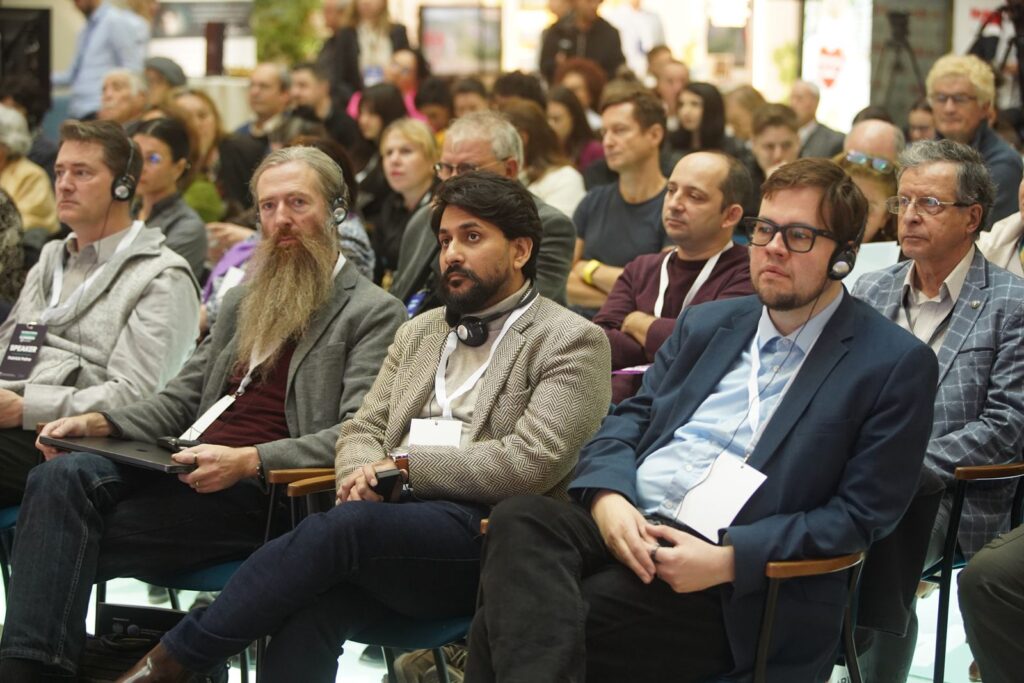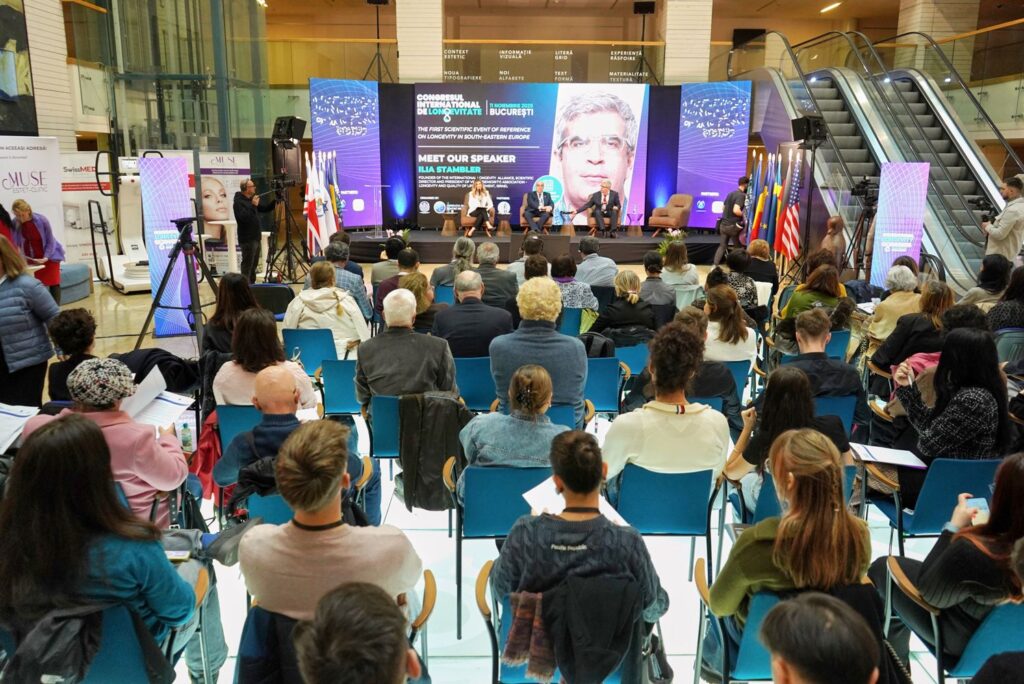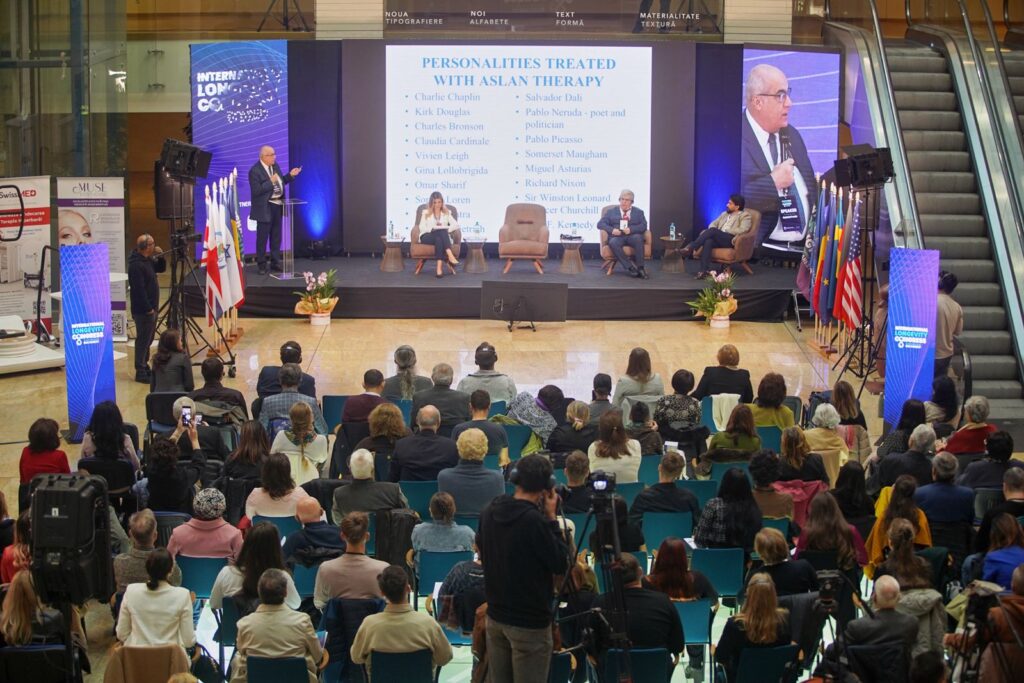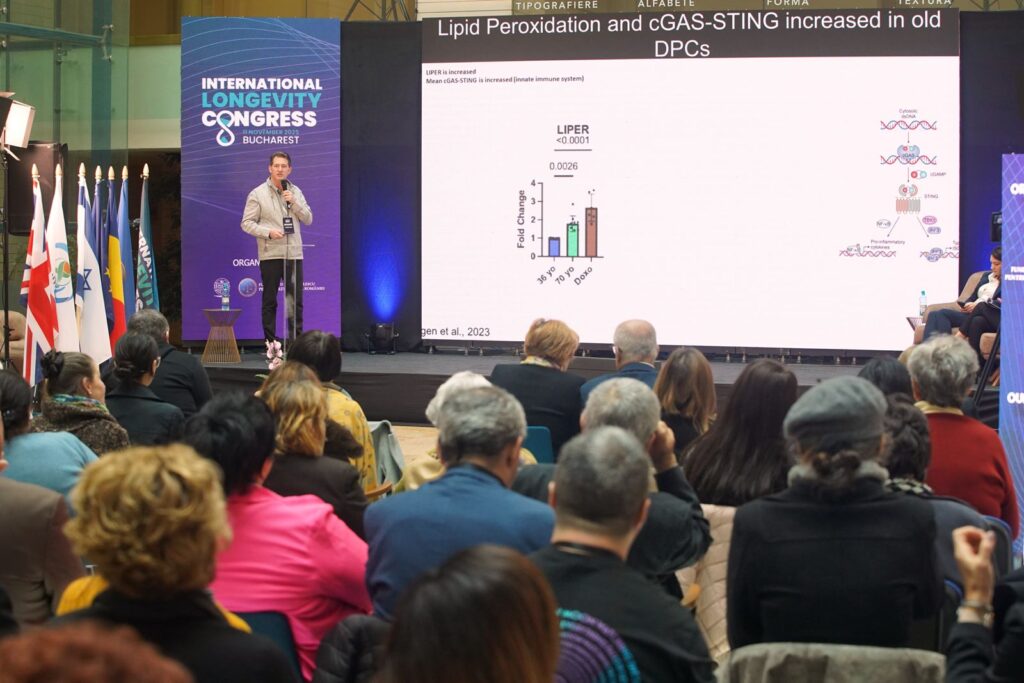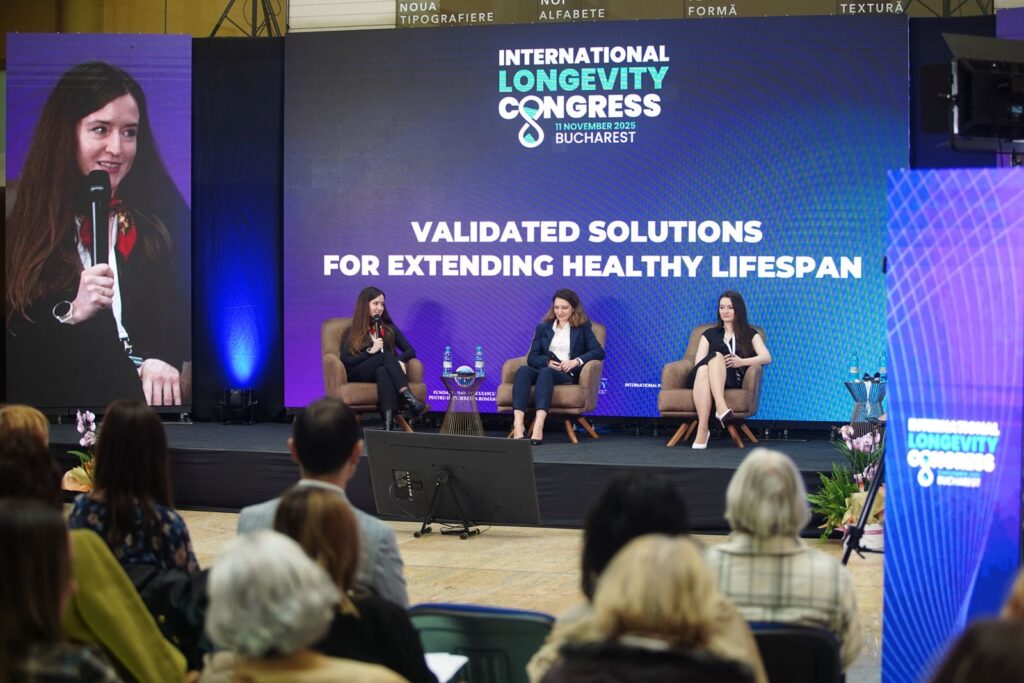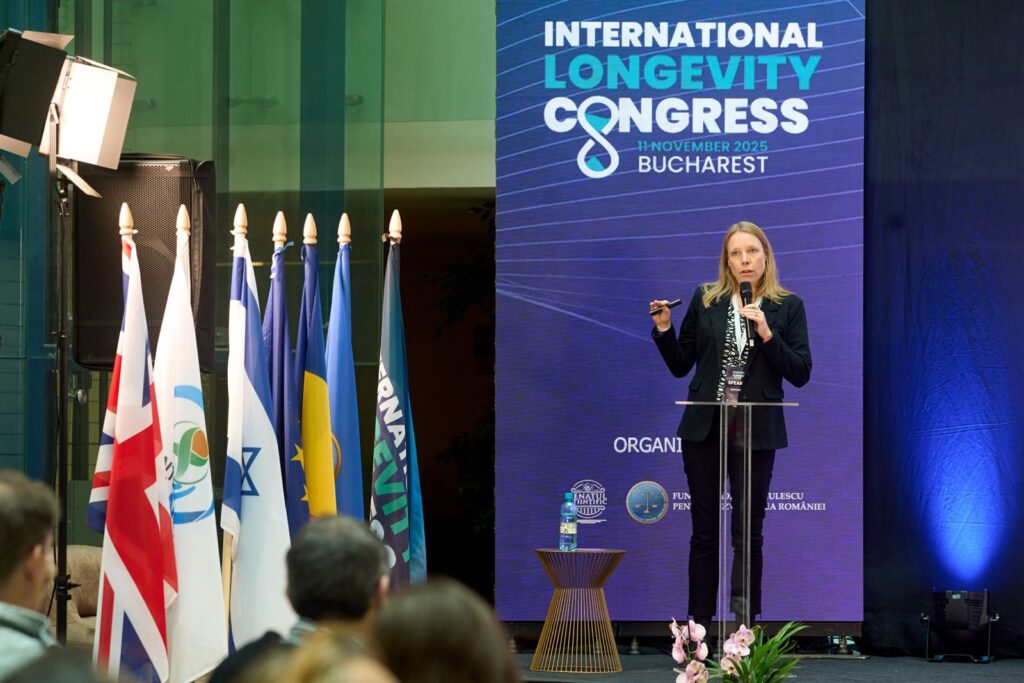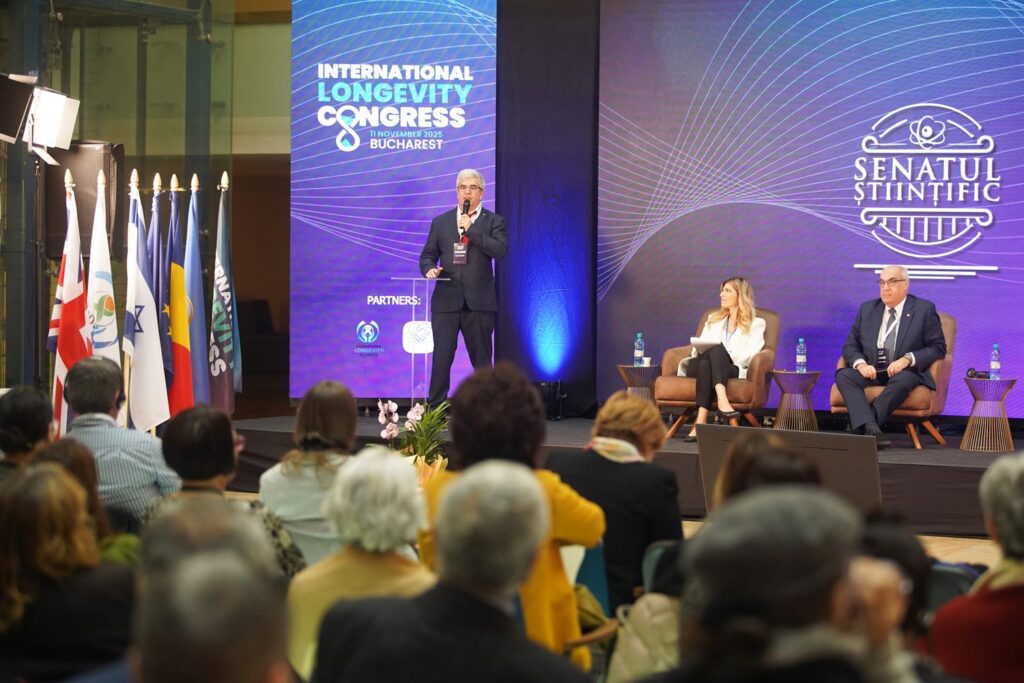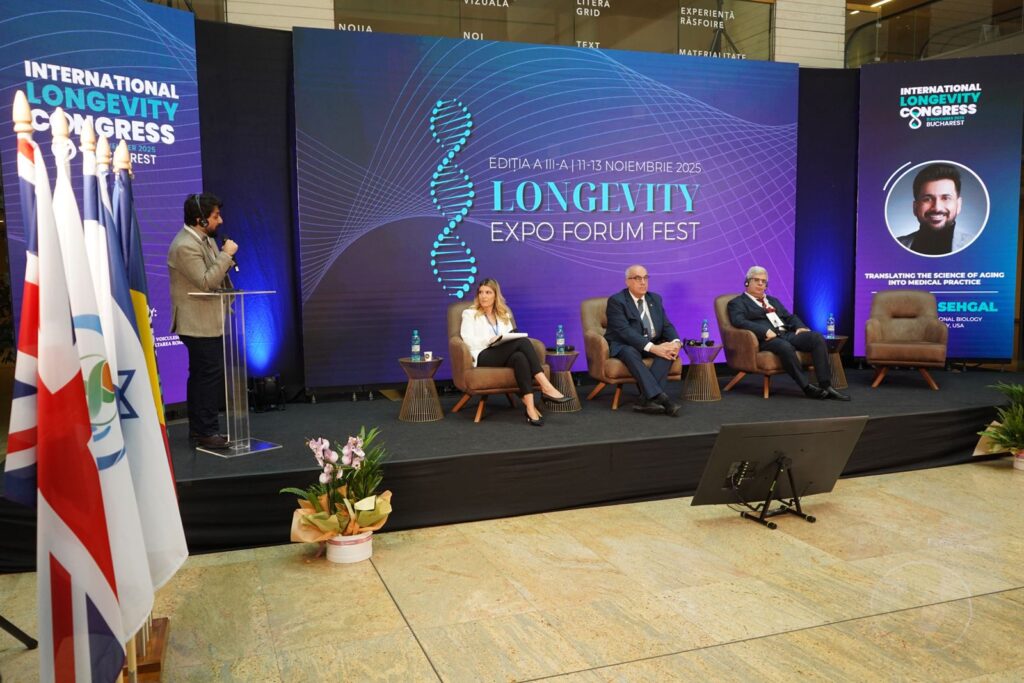
Bucharest hosted the first International Longevity Congress in Romania and South-Eastern Europe, organized by The Scientific Senate of the Dan Voiculescu Foundation for the Development of Romania, marking the entry of our country in the global dialogue on extending the healthy life span. For Romania, this event represents a strategic step: moving from the information area to the area of implementation and international collaboration in the field of longevity.
The event brought together ten top international researchers from seven countries, together with Romanian specialists in geriatric medicine, neuroscience and public health. The international guests work at some of the world's most prestigious academic organizations and research centers in the field of longevity, including Harvard Medical School, Yale University, LEV Foundation (USA), Karolinska Institutet (Sweden), University of Salford, Barts Heart Center, University of Birmingham (UK) and Israel International Longevity Alliance. The event took place at the National Library of Romania, in front of a large audience of physicians, researchers, university professors, medical students and representatives of medical and academic institutions in Romania, interested in the latest trends in longevity science.
Most of the researchers and scientific leaders from prestigious international institutions present at the event concluded that, thanks to the accelerated evolution of science, the process of cellular rejuvenation could become even faster than ageing in the coming years. This concept is explored in detail by Dr. Aubrey de Grey, President of the LEV Foundation in the US and one of the world's most influential longevity researchers.
"At the moment we can't really achieve cellular or whole body rejuvenation properly. Next-generation technologies will be absolutely essential to bring the body back to a functional state, because these are the ways in which we can repair the different types of damage in the body. I think we have a 50% chance of reaching this point, which I call the 'escape velocity of longevity', in the next 12 to 15 years which is not very long at all.," said Dr. Aubrey de Grey.
Researcher Sara Hagg from the Karolinska Institute, Sweden - the Nobel Prize awarding institution - presented the findings of her studies on human biological ageing and current research directions.
"We are always trying to find effective ways to intervene in the biological process of ageing. What we know so far is that lifestyle changes work very well to maintain health, and in this way biological ageing is slowed down. This helps prevent many diseases, and research is continuing to better understand the cellular mechanisms of ageing", says Sara Hagg.
Patrick Paine from Harvard Medical School explained the possibility of reprogramming cells so they can be "rejuvenated".
"Cellular reprogramming refers to the idea of taking, for example, a heart cell or a liver cell and returning it to a previous state, and in this process it turns out that the cell is actually rejuvenated. The ultimate goal will be to treat age-related diseases, and the hope is that instead of side effects, we will have side benefits - such as maybe living a little bit longer.", says Patrick Paine.
At the International Longevity Congress, invited researchers presented key studies on the mechanisms of ageing. Professor João Pedro de Magalhães from the University of Birmingham in the UK presented the results of his research on the Greenland whale and the collared rat - two of the longest-lived and most disease-resistant species in the animal kingdom. Professors Mark Tomás McAuley and Amy Morgan from the University of Salford in the UK presented new evidence on the link between inflammation, metabolism and epigenetics, providing insights into how these processes can be therapeutically targeted to prolong healthy lives. Researcher Luisa Bâcă from Barts Heart Center in London explained how ageing influences heart rhythm, highlighting new directions for diagnosis and preventive intervention in age-associated cardiovascular diseases. Dr. Raghav Sehgal from Yale University, USA, presented multi-system models of ageing based on the integration of biological, neurological and metabolic data. International Longevity Alliance Founder Ilia Stambler and Alexander Tietz-Latza, President of the ILA, brought up the right to healthy longevity as part of fundamental human rights in contemporary society.
The International Longevity Congress was organized in partnership with the International Longevity Alliance and Vetek Association - the Movement for Longevity and Quality of Life. The event officially opened the Longevity Expo Forum Fest - the only fair in Romania dedicated to longevity, organized by Antena 3 CNN and Longevity Magazine until 13 November at the National Library of Romania.