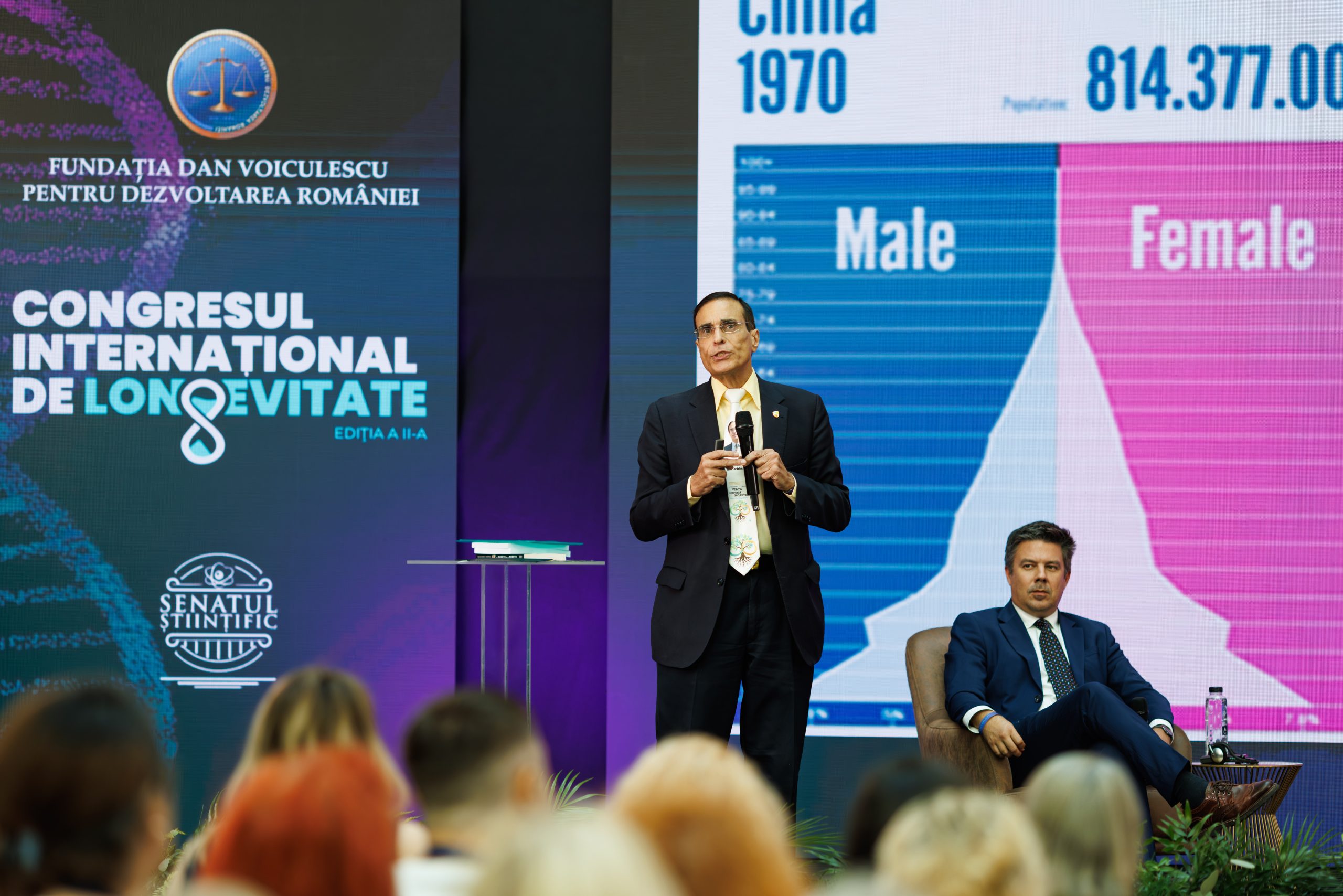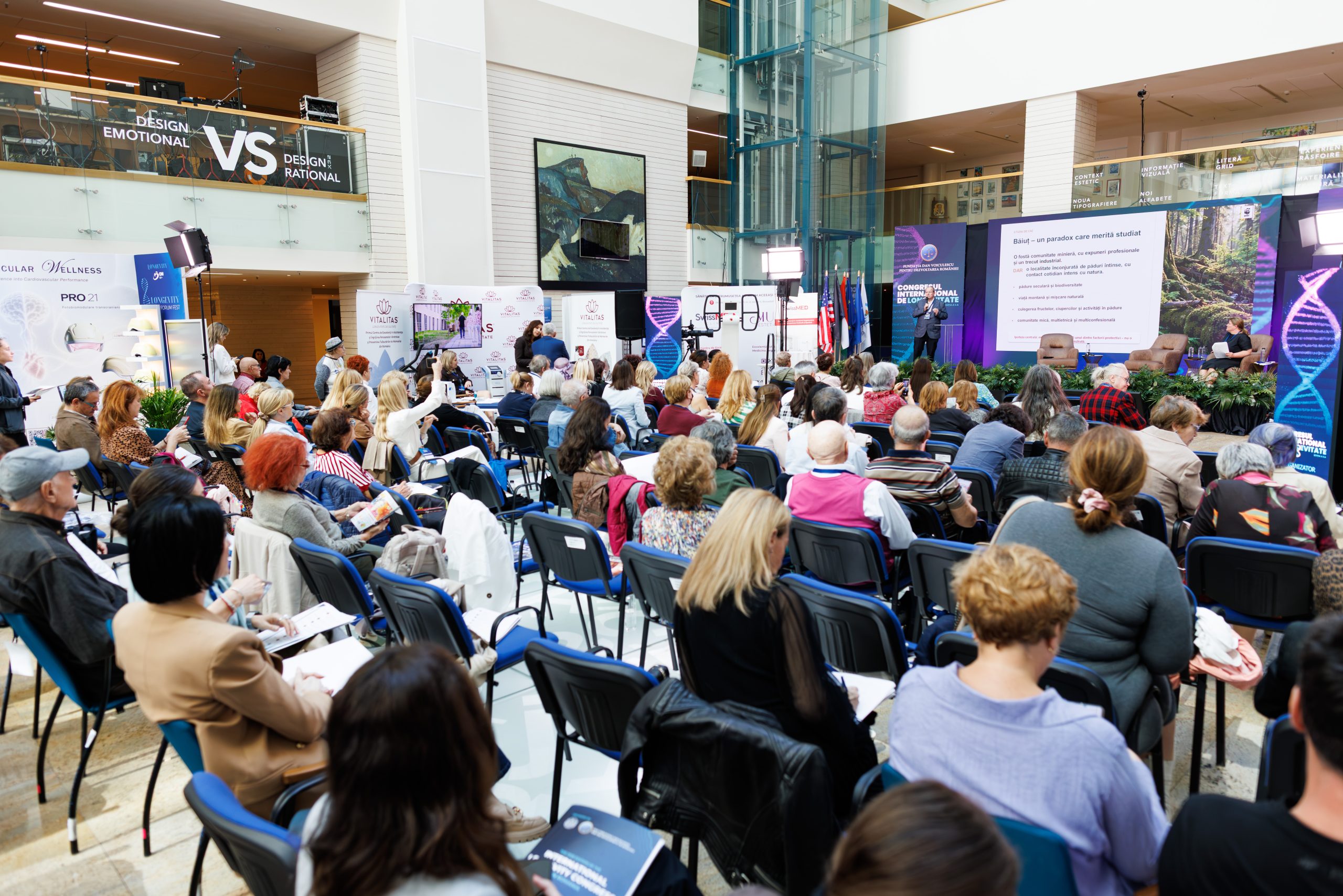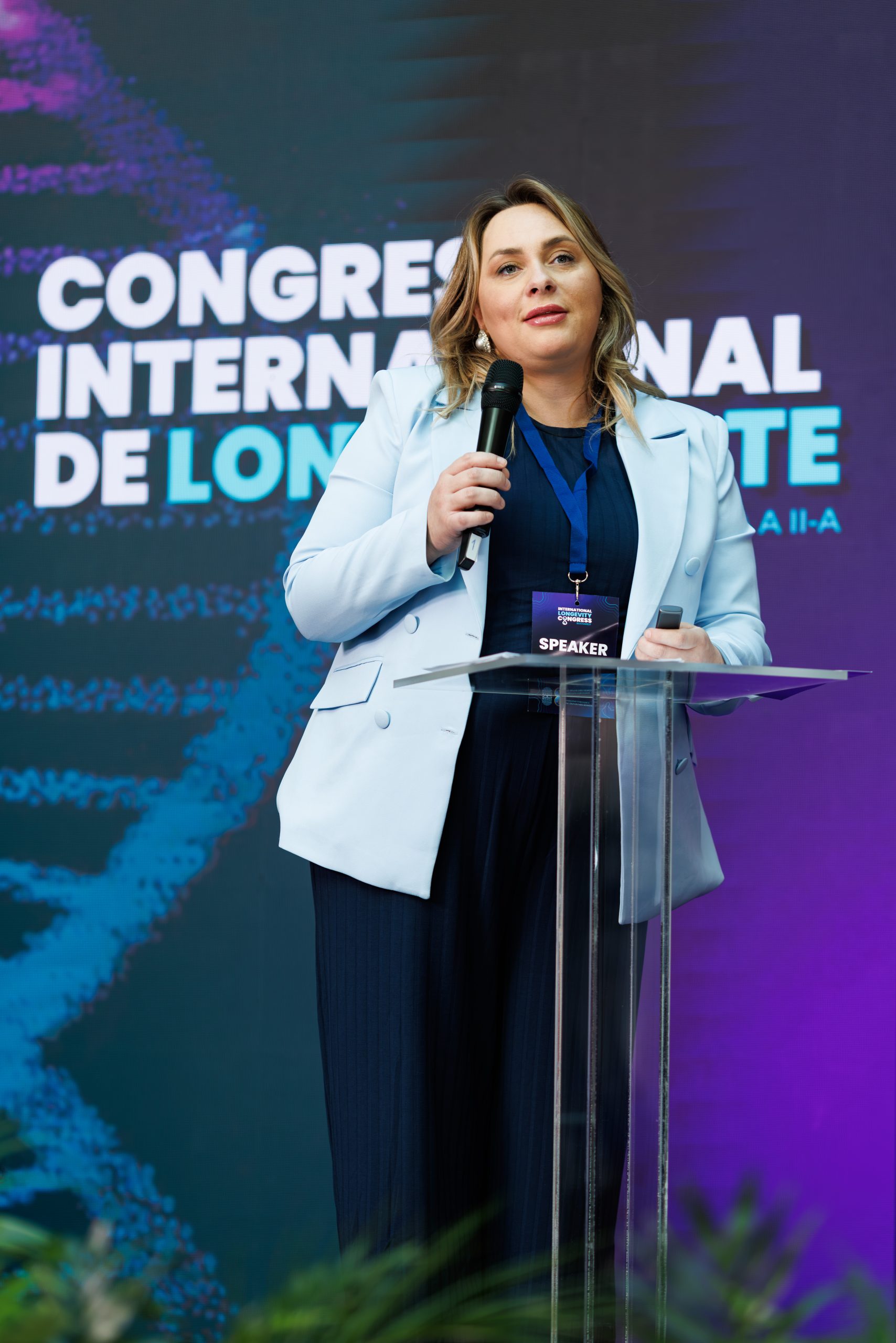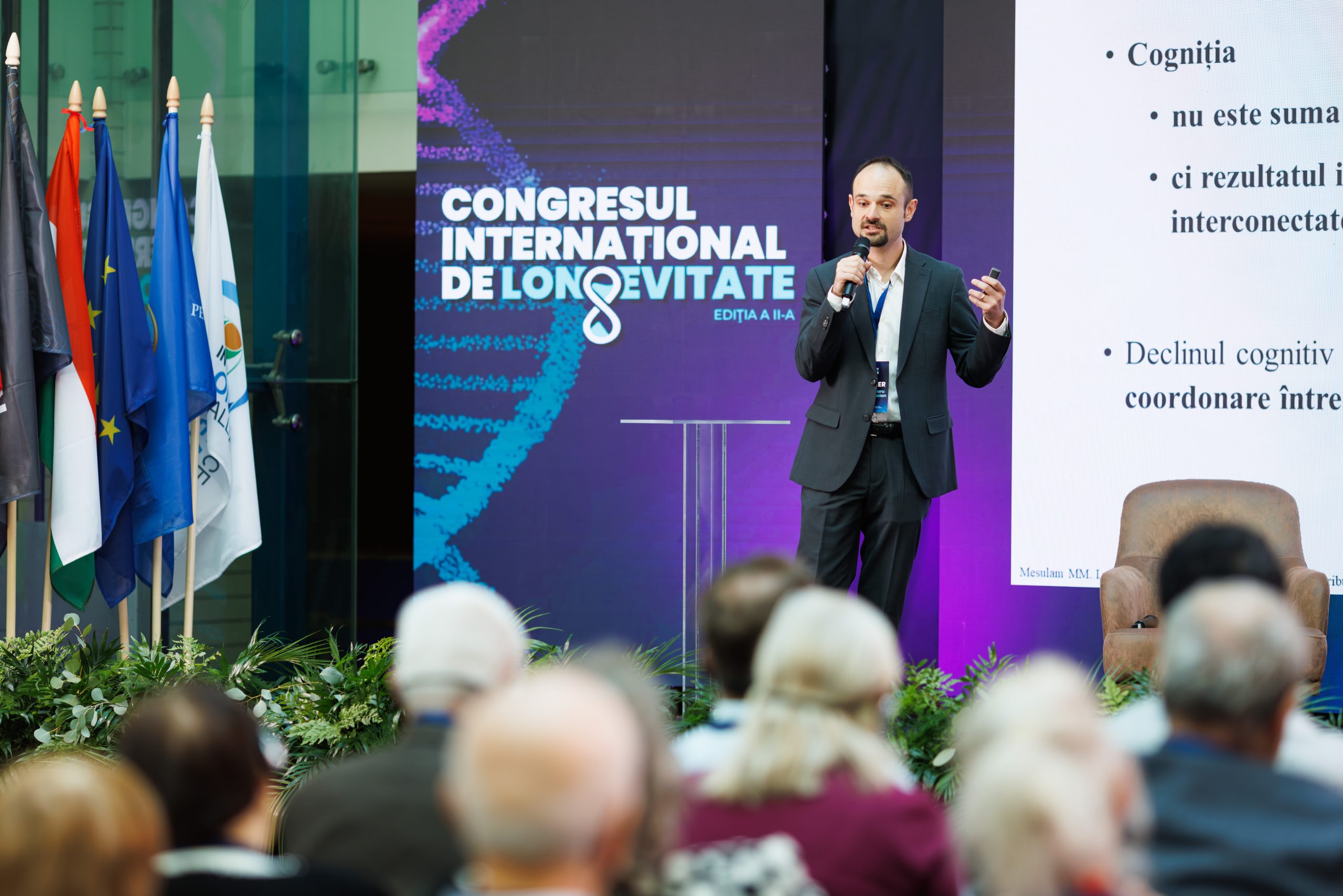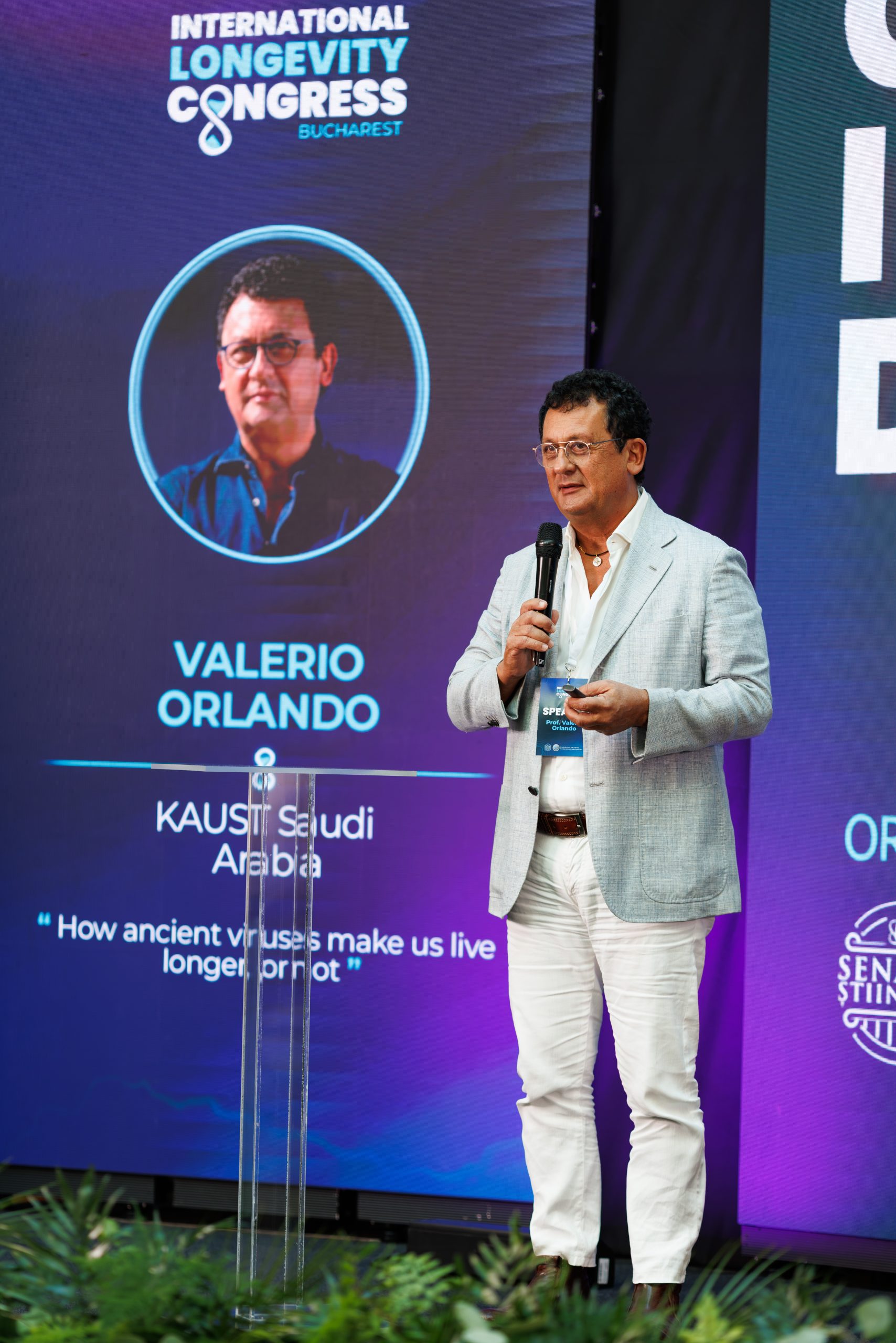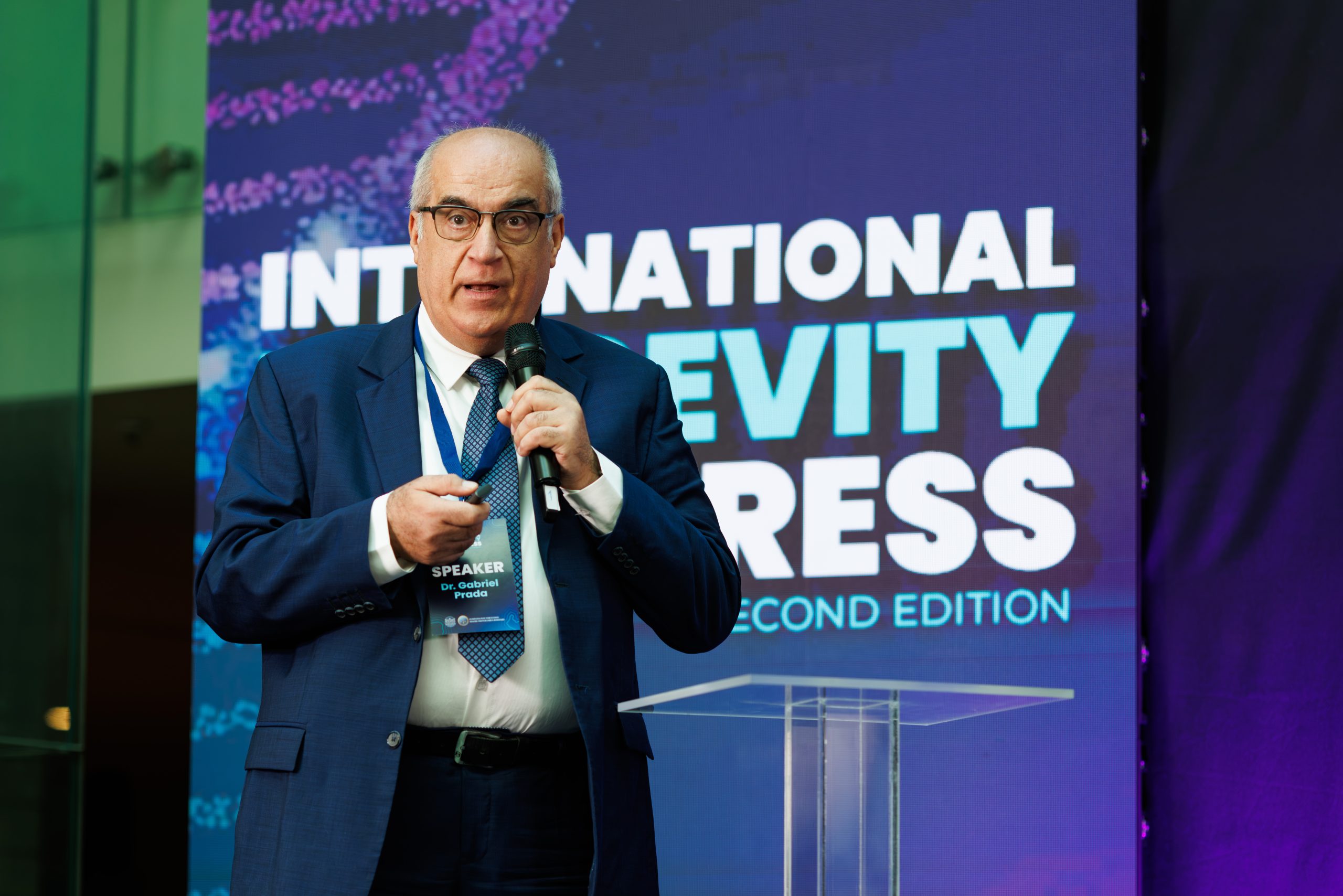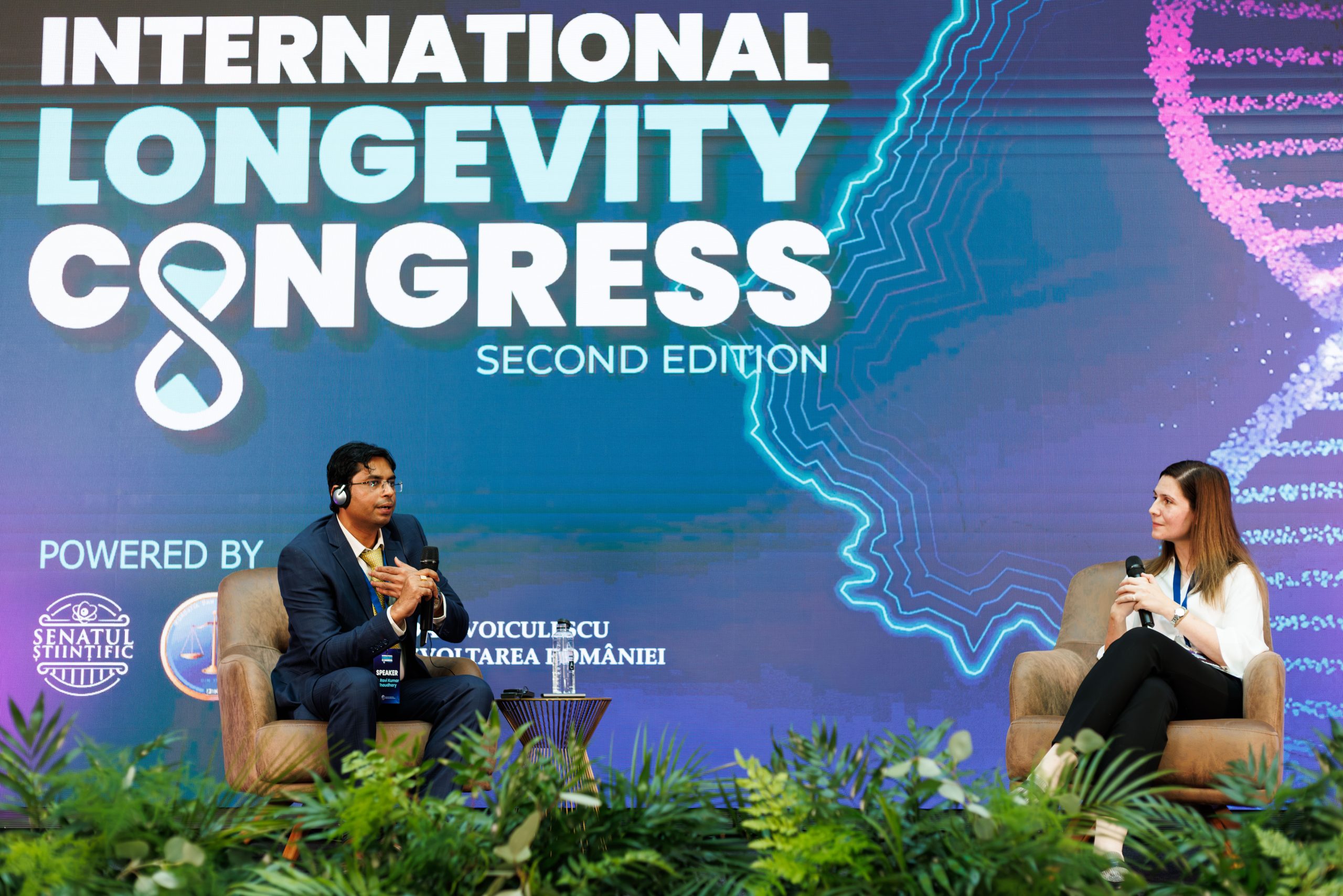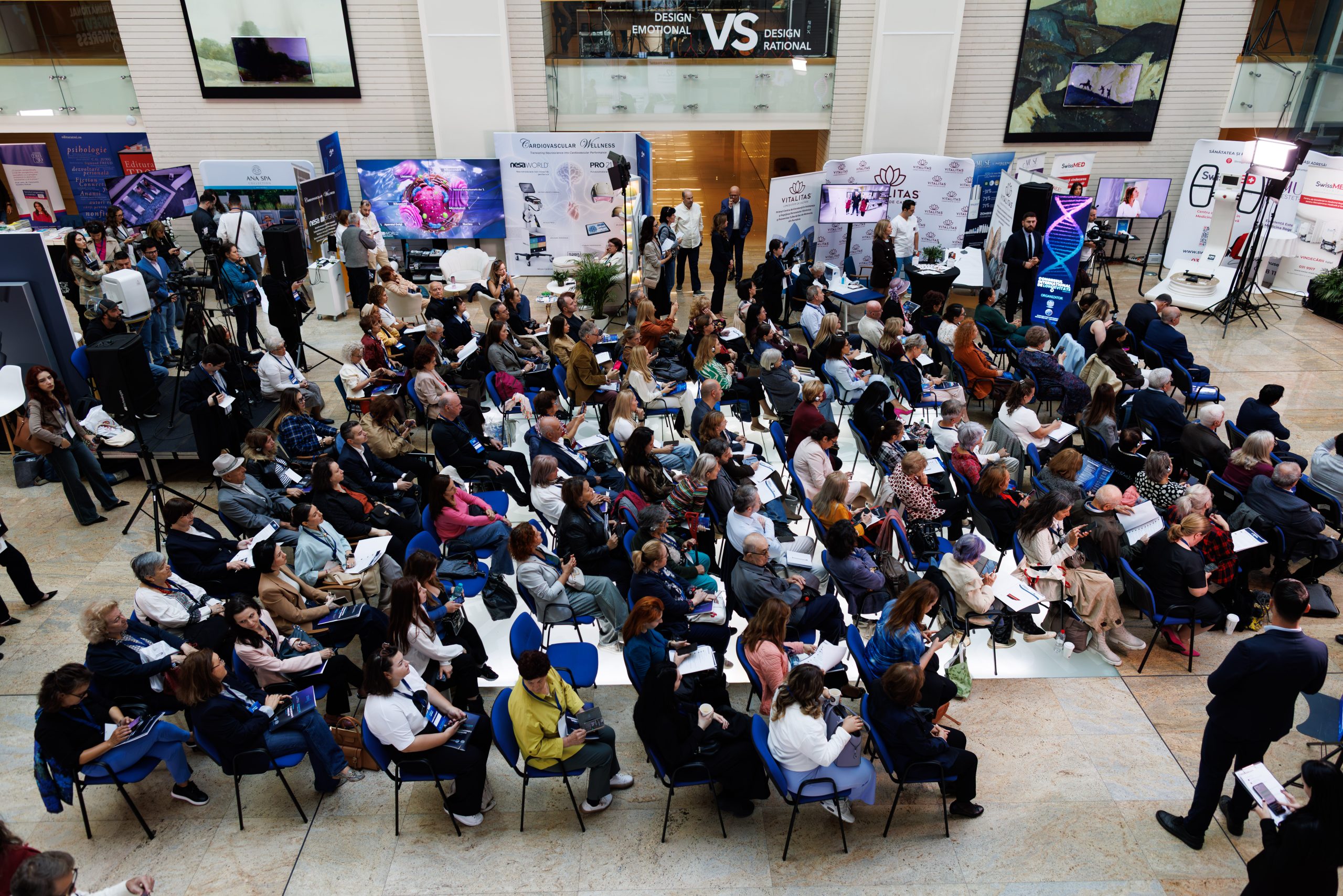
Nine international experts from seven countries, alongside dozens of specialists, researchers, and physicians from Romania, gathered on September 24 at the National Library of Romania for the second edition of the International Longevity Congress. The event was organized by the Scientific Senate of the Dan Voiculescu Foundation for the Development of Romania in partnership with the International Longevity Alliance. As the only congress in Romania dedicated to the science of longevity, it brought together international research and Romanian medical expertise to address a critical issue for the future of medicine: how to transform additional years of life into years lived in better health. For one day, Bucharest became a meeting point for research avenues that, until recently, seemed to belong to the medicine of the future. Researchers and experts from the USA, Spain, Germany, Latvia, Israel, India, and Saudi Arabia traveled to Romania to discuss the biological mechanisms of aging and how close science is to influencing them.
Institutions represented at the Congress included Harvard Medical School, the Spanish National Cancer Research Centre (CNIO), King Abdullah University of Science and Technology (KAUST) in Saudi Arabia, University Medical Center Rostock in Germany, Rīga Stradiņš University in Latvia, the Government Institute of Medical Sciences (GIMS) in India, and Bar-Ilan University in Israel.
Over the course of a day, 25 experts presented research and medical approaches that are transforming the study of aging – ranging from cellular reprogramming and biological age measurement to telomeres, the genome, artificial intelligence, regenerative medicine, the microbiome, and post-menopausal women’s health.
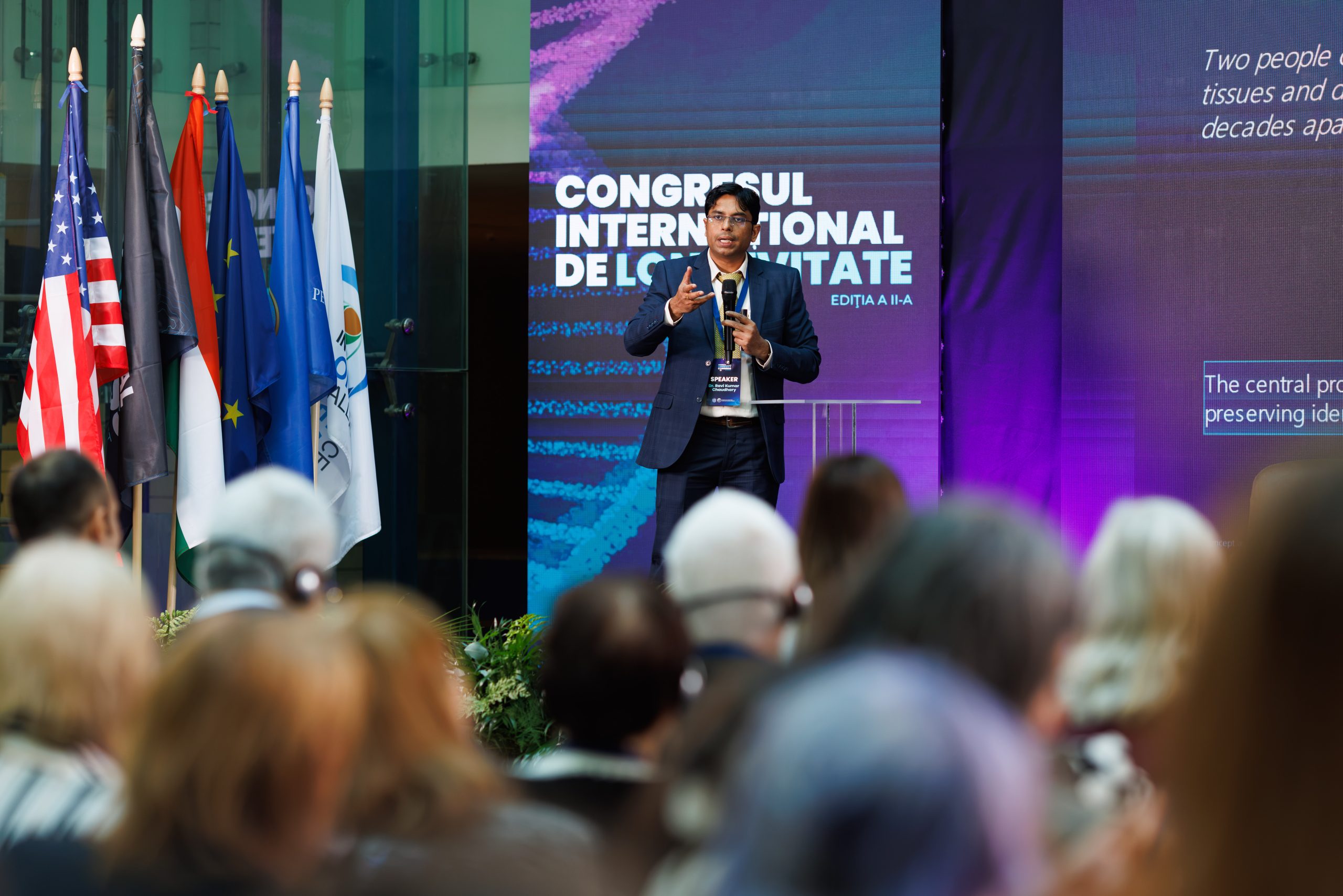
Dr. Ravi Kumar Chaudhary highlighted the potential of epigenetic and cellular reprogramming to slow biological aging and restore specific cellular functions; however, he emphasized that the transition from research to clinical practice depends on validating long-term safety and integrating epigenetic biomarkers into functional assessments: “Chronological age is the calendar. Biological age is the condition.” Two 50-year-old individuals can have cells, tissues, and disease risks that are biologically years—or even decades—apart.
In a Romanian first, Patrick Paine, a researcher at Harvard Medical School, presented findings from an experimental study on peptide-based cellular rejuvenation at the Congress—sharing the data even before their presentation at Harvard. This work opens a new avenue of research into the possibility of restoring characteristics associated with a younger biological state to aging cells. The experimental results involve novel cellular reprogramming methods, including the use of the GxF1 factor, which caused aging cells to acquire characteristics associated with cells approximately 14 years younger; it is important to note, however, that the research remains in the experimental phase and does not yet represent a treatment available for humans.
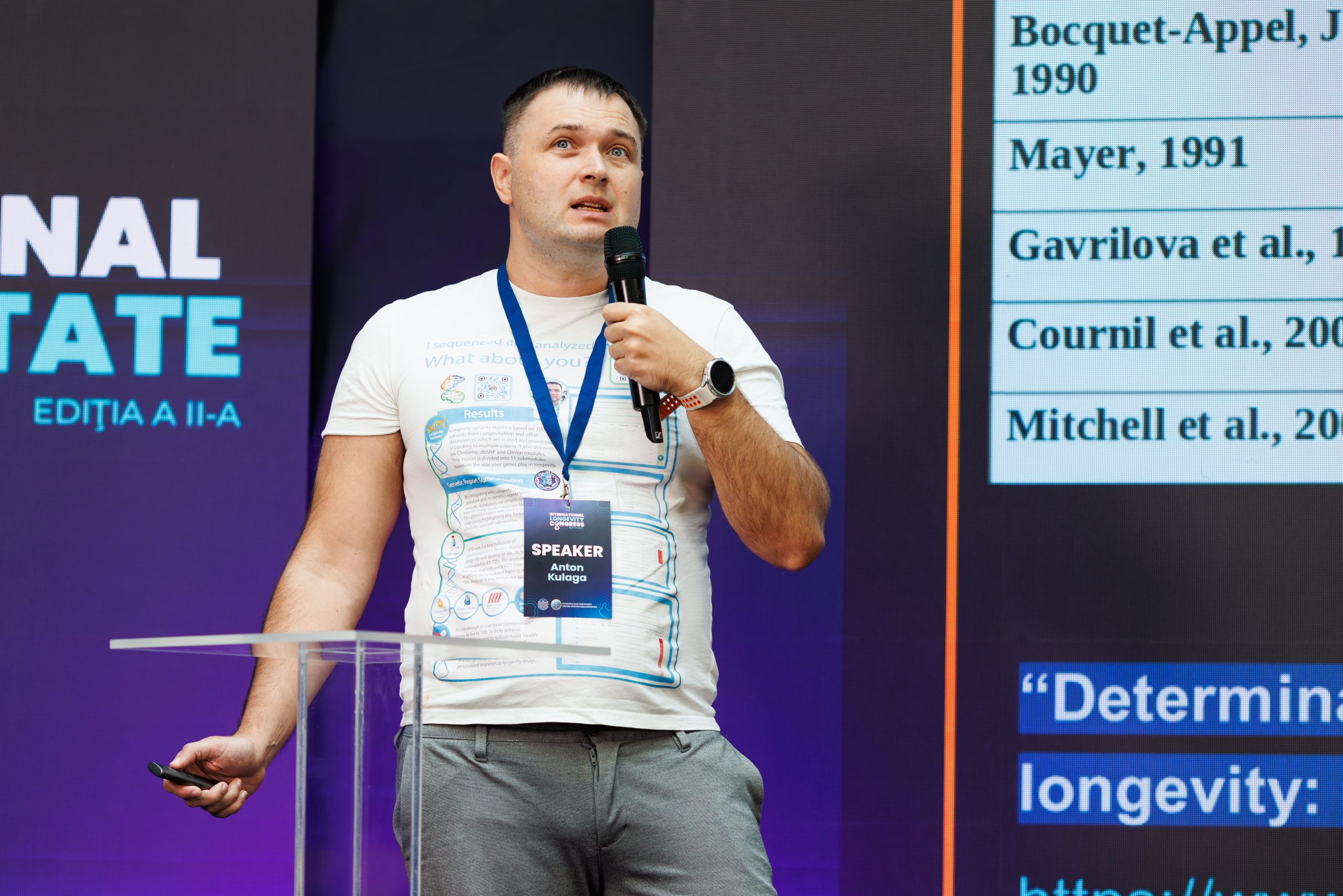
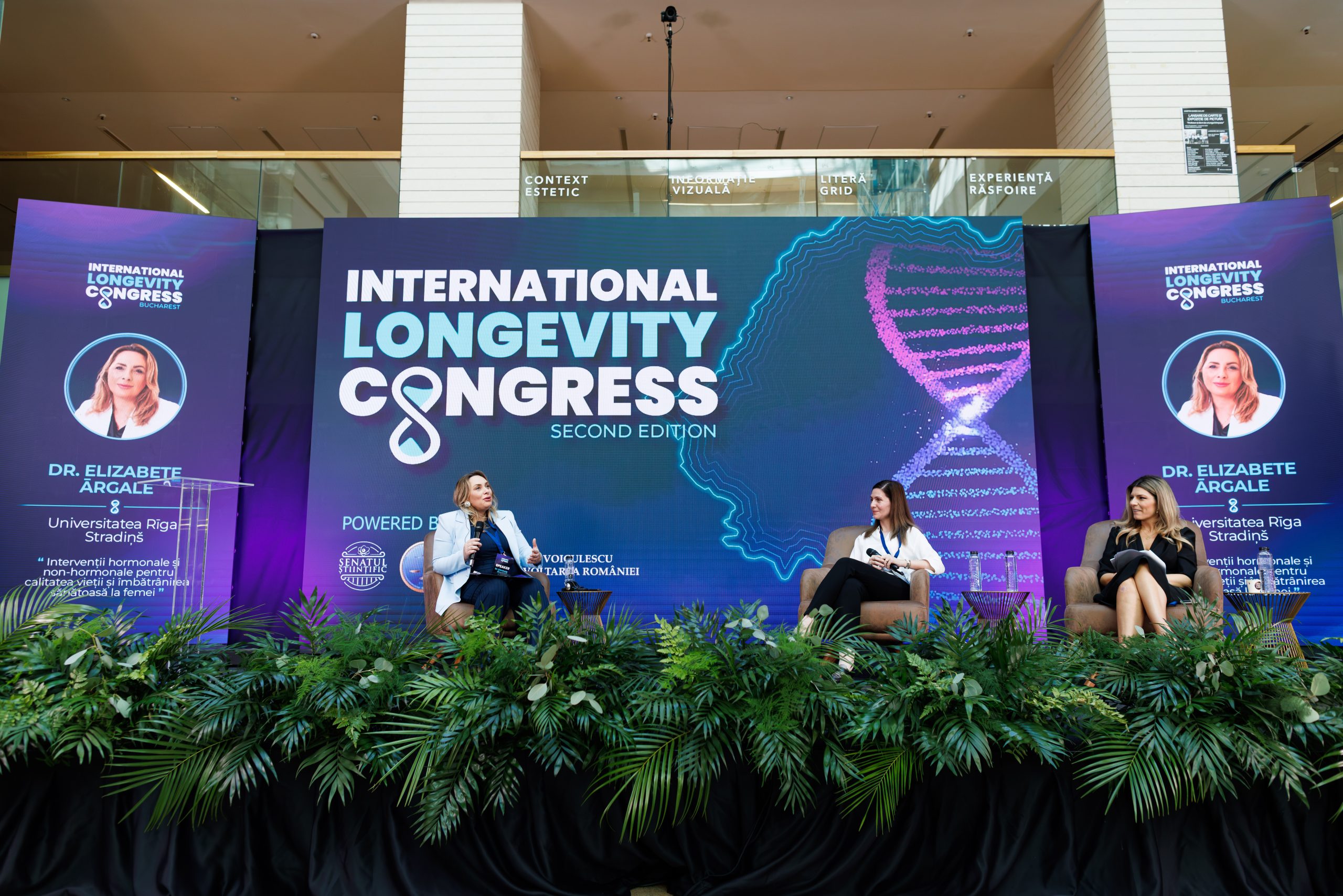
Anton Kulaga presented how genetics and bioinformatics can contribute to understanding longevity, noting that the heritability of intrinsic lifespan could reach approximately 50%, while emphasizing that the genome can indicate predispositions and risks without being able to predict exactly how long a person will live. Dr. Elizabete Ārgale from Rīga Stradiņš University highlighted the specific aspects of female longevity, pointing out that the post-menopausal period can span over 30 years, during which maintaining cardiovascular, bone, muscle, brain, and sexual health becomes essential for quality of life.
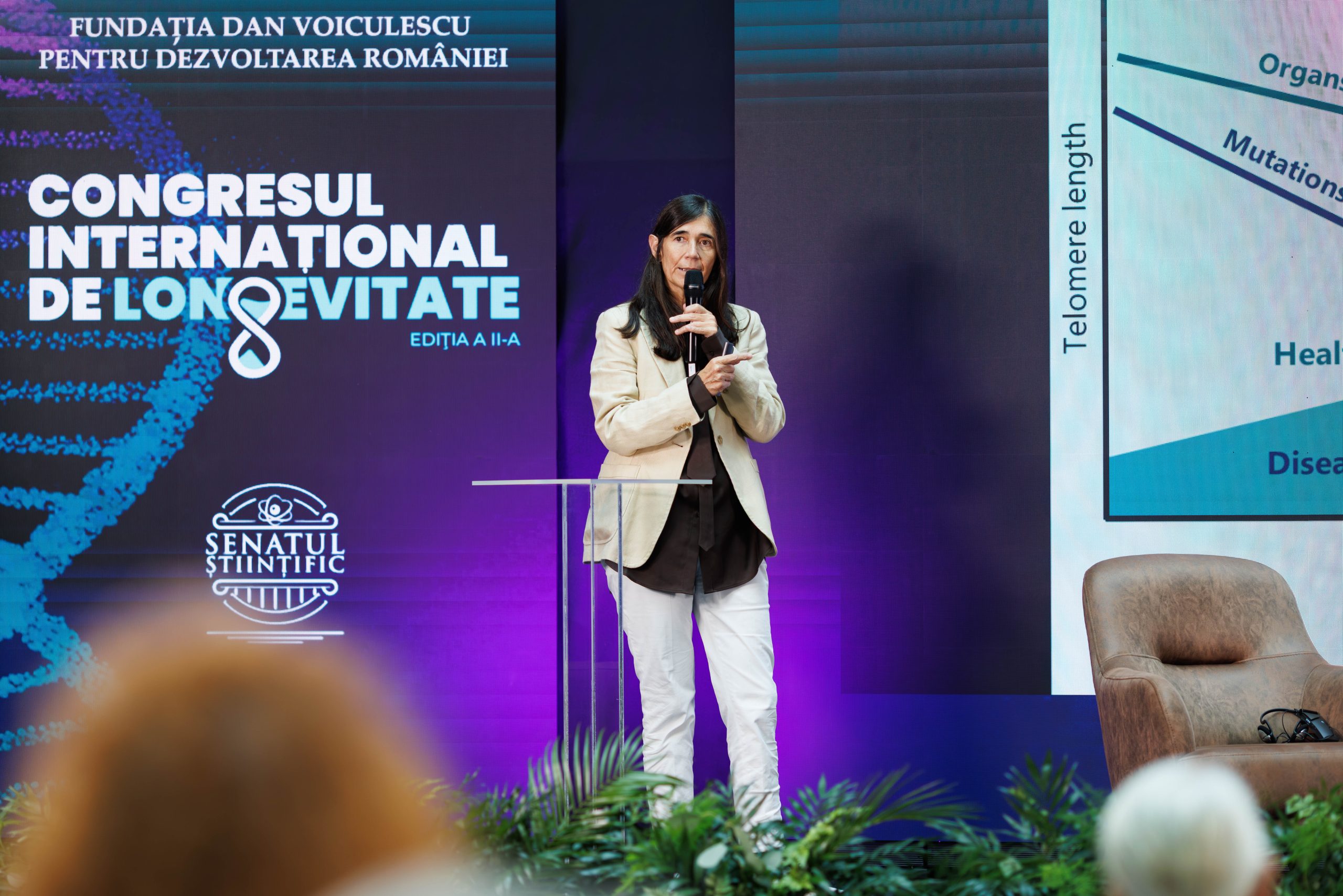
The participation of Maria Blasco, leader of the Telomeres and Telomerase Group at CNIO, showcased research into one of the key structures associated with cellular aging. For over two decades, Blasco has studied telomere degradation and its link to the loss of tissue regenerative capacity and the onset of age-related diseases.
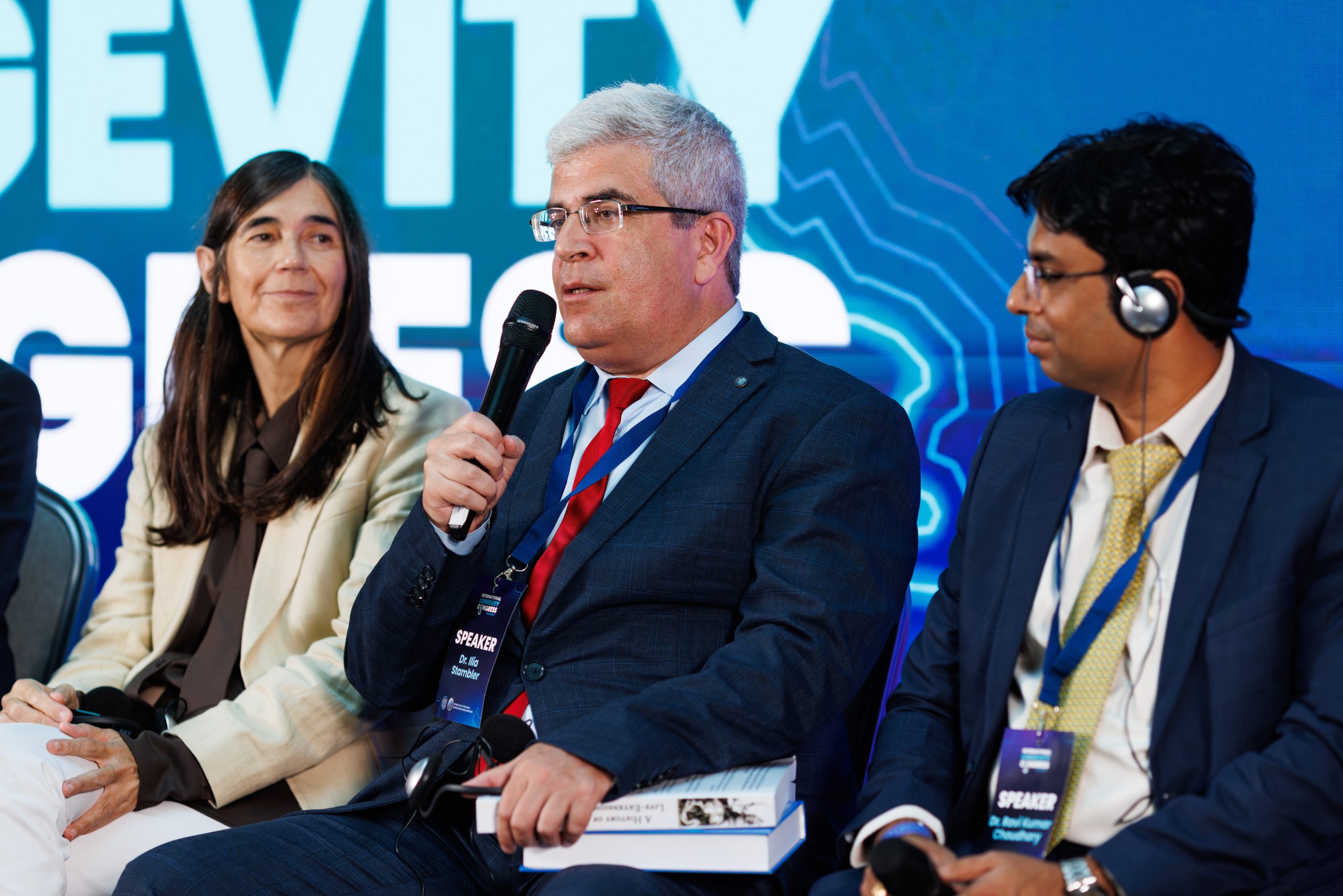
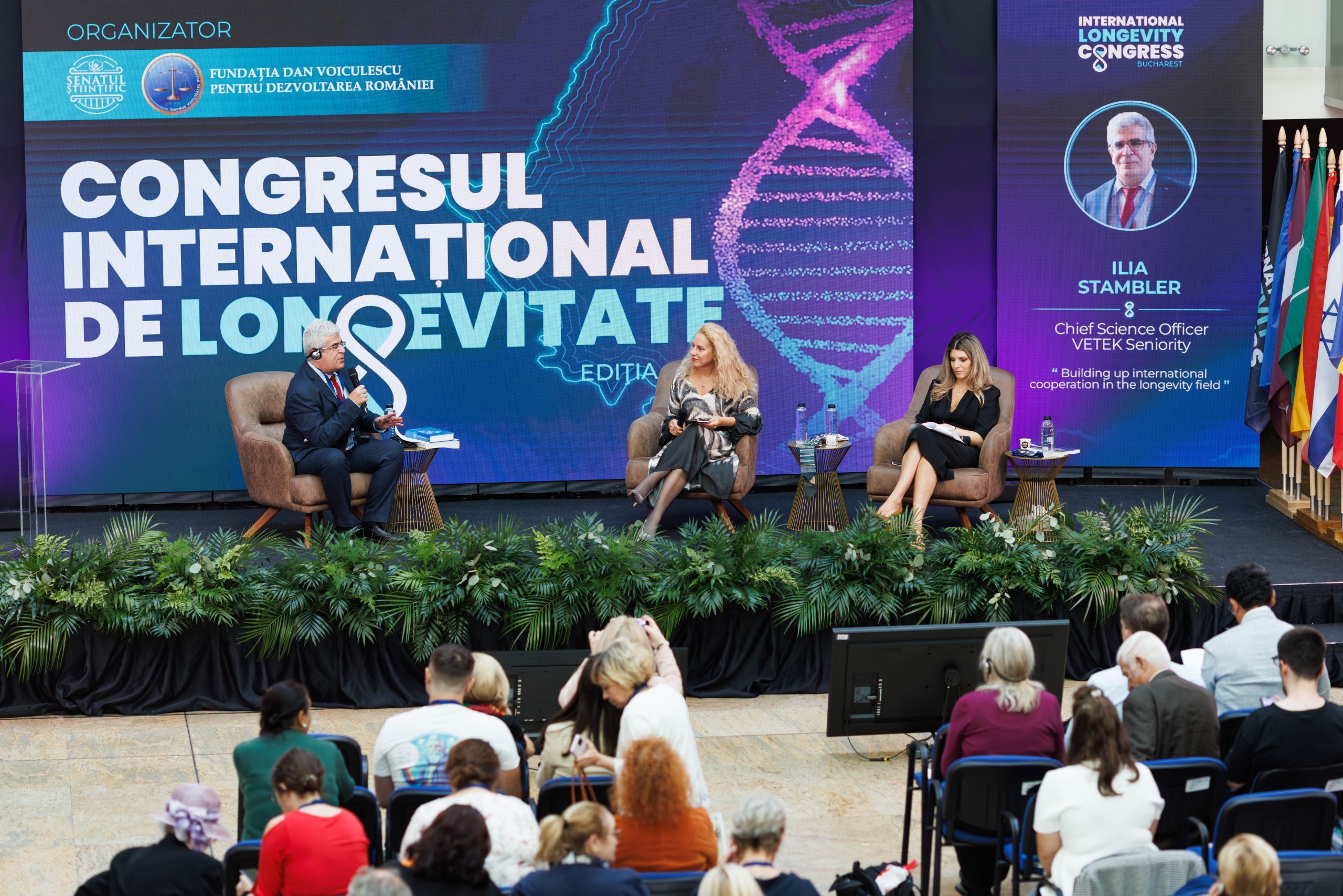
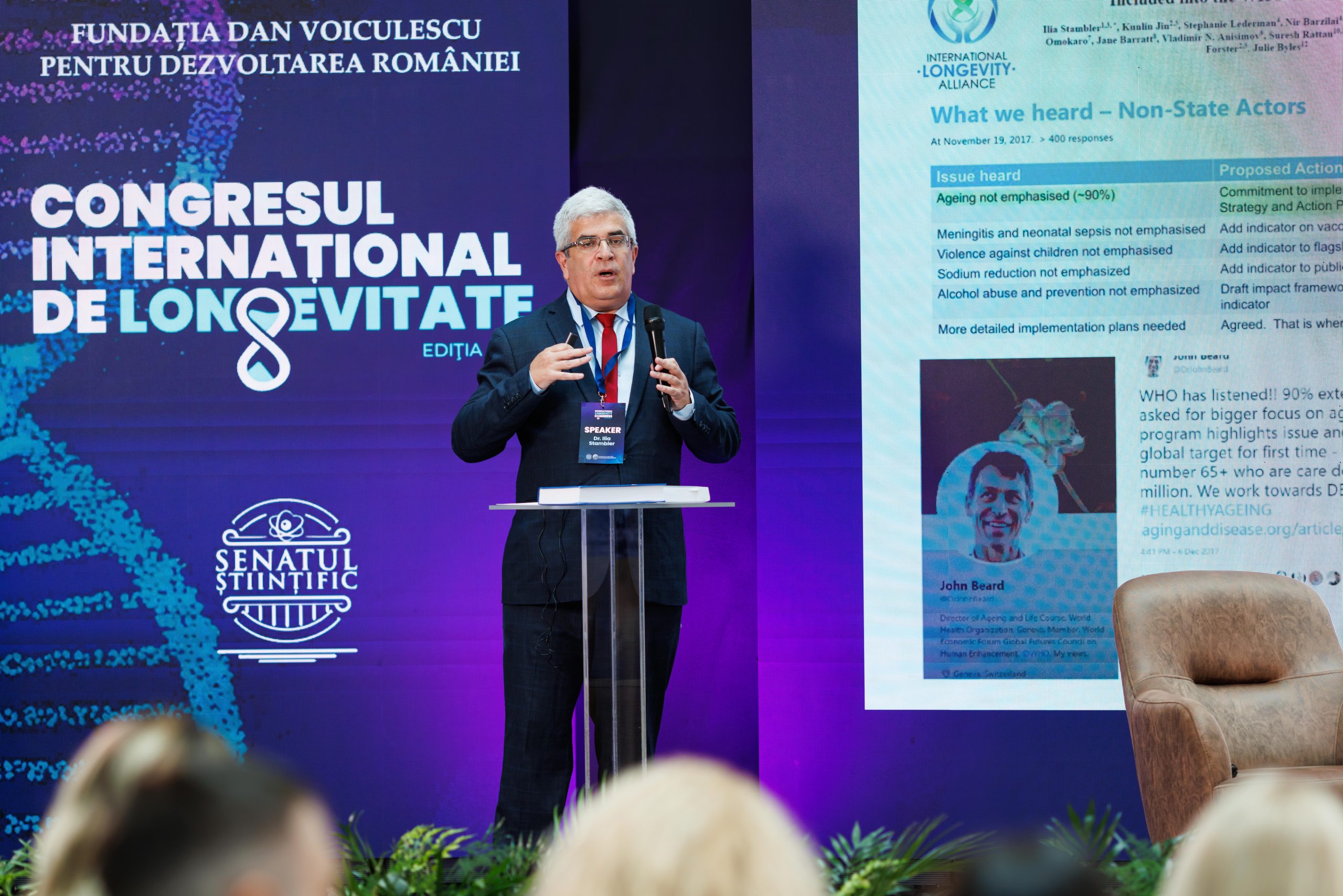
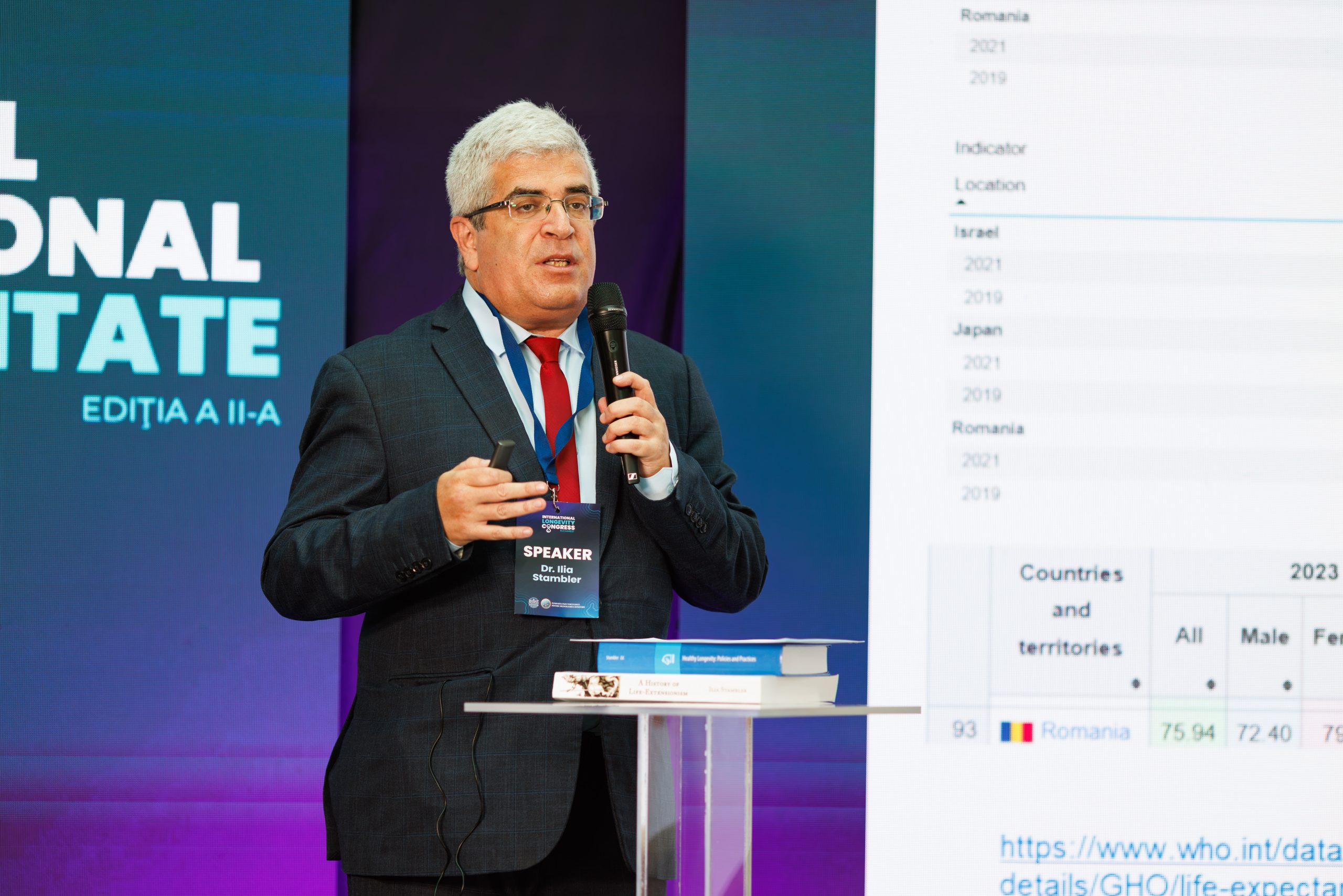
Beyond the laboratory, the congress’s conclusions also address public policies. In his presentation, Dr. Ilia Stambler—representing the International Longevity Alliance and VETEK—articulated a central thesis: “To achieve healthy longevity, we must treat degenerative aging,” linking this concept to the prevention of chronic diseases and the need for increased research funding. The International Longevity Alliance currently brings together 88 non-profit organizations from 66 countries.
One of the conclusions of the second edition is that longevity medicine is moving away from the simple question “how do we live longer?” and attempting to address a measurable issue: how to maintain or restore bodily function as we age. The results vary significantly in terms of maturity, ranging from prevention and interventions already in medical use, ranging from cellular reprogramming to therapies still in the laboratory stage. Precisely this distinction between what can be applied today and what remains to be proven was a key focus of the International Longevity Congress.
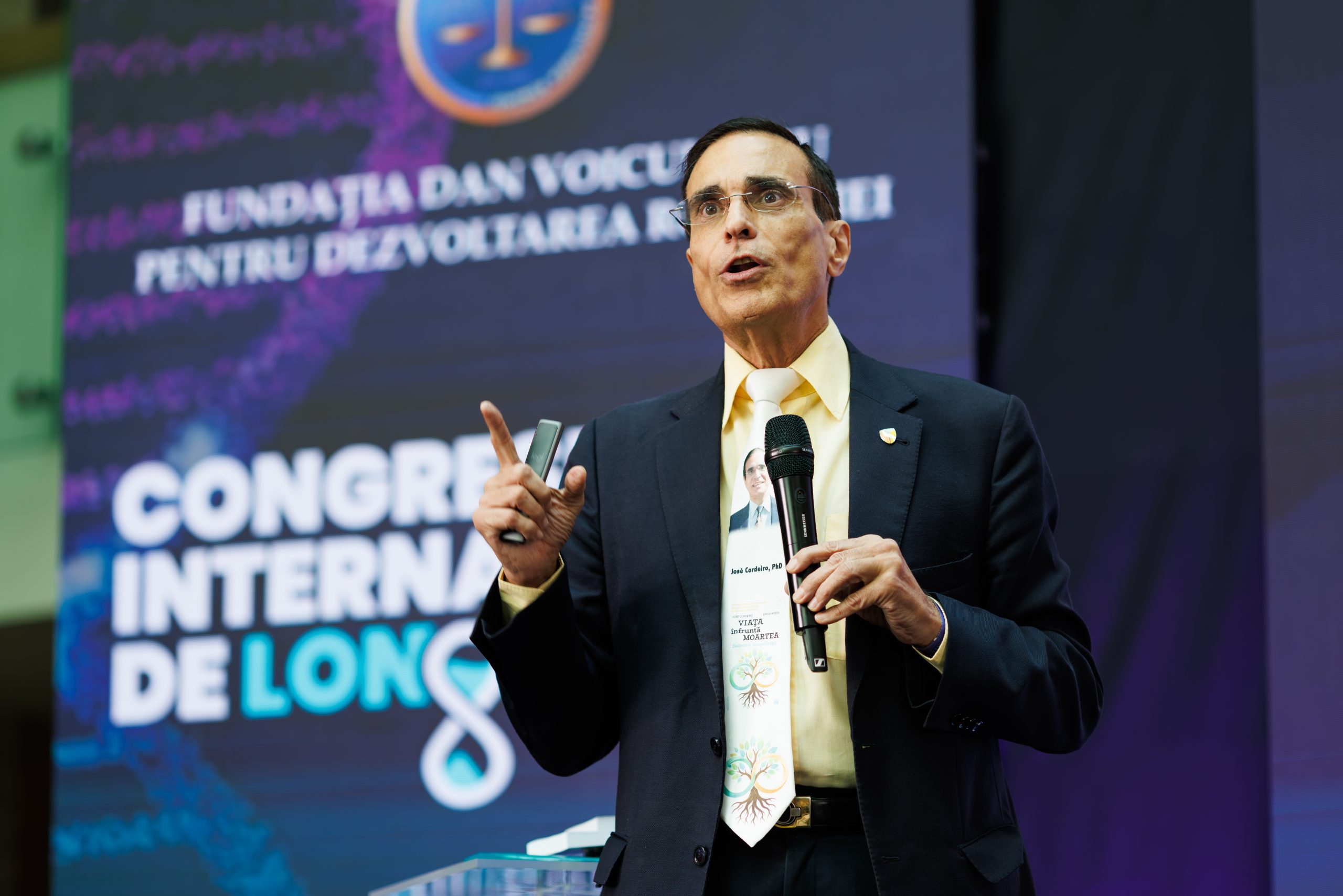
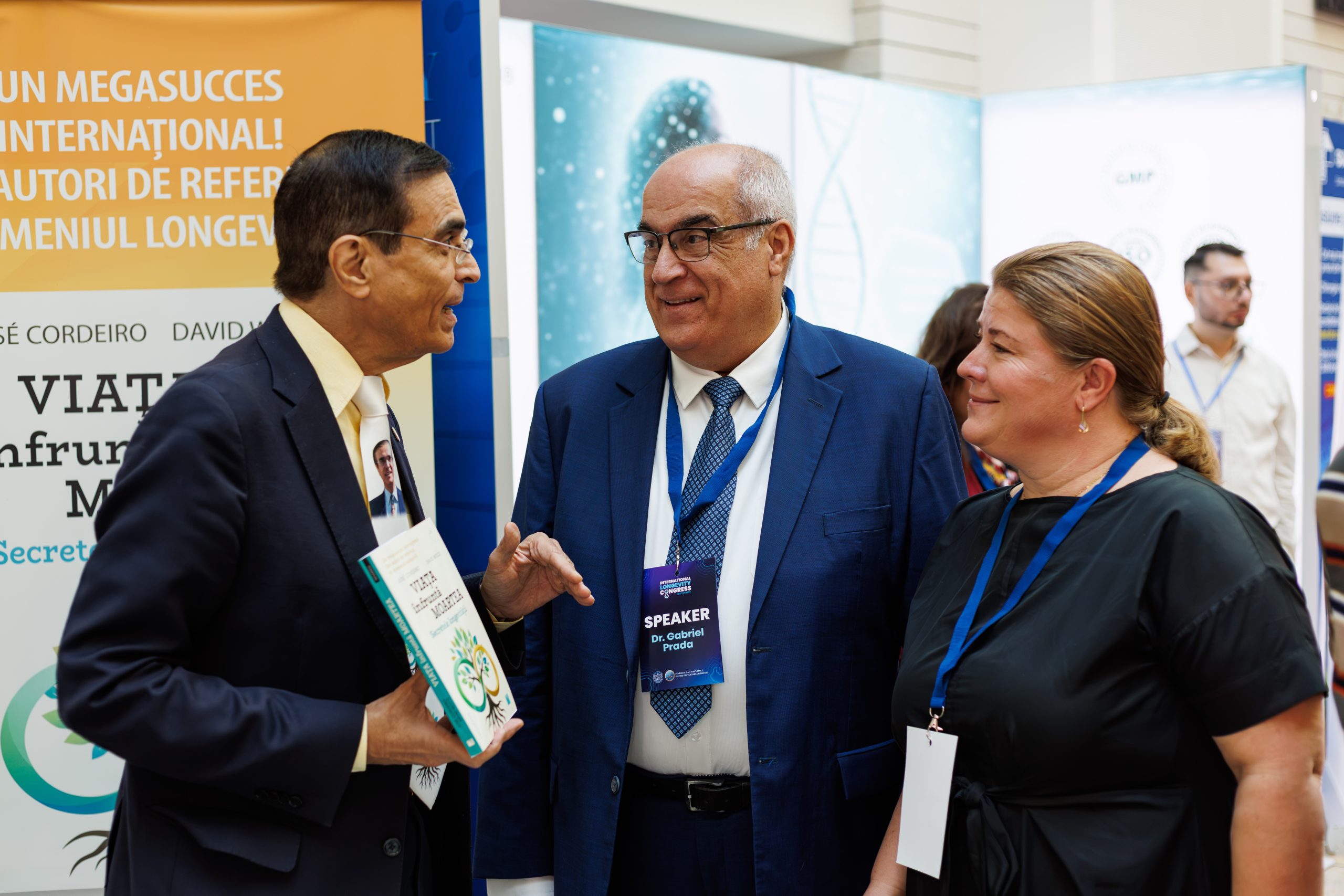
The Romanian edition of the book “Life Defies Death: The Secrets of Longevity” (“Viața înfruntă moartea. Secretele longevității”), authored by José Cordeiro and David Wood, was also launched during the International Longevity Congress. Translated and published in Romania by Niculescu Publishing, the book explores advances in biotechnology, artificial intelligence, and regenerative medicine that could transform how the aging process is understood and treated in the coming decades—a topic Cordeiro also addressed in his presentation at the congress.
The International Longevity Congress was organized by the Scientific Senate of the Dan Voiculescu Foundation for the Development of Romania, in partnership with the International Longevity Alliance and the VETEK Association – The Movement for Longevity and Quality of Life.